Granted Motion
Research you can count on
I write about research so I stay current and so you can use better information than what’s usually shared online. New studies on movement, pain, neurophysiology, and rehabilitation are published constantly.Reading them keeps my clinical thinking sharp and prevents me from defaulting to what I learned years ago or to whatever is popular at the moment. When I summarize a paper or a line of research here, I have to understand it well enough to explain it clearly. That process improves how I work with patients and how I build recovery plans. I also write it for anyone who wants clearer information than headlines or short clips.Most people don’t have time to read full papers, and a lot of what circulates is either oversimplified or exaggerated. My goal is to pull out the practical points, note the real limitations, and connect the findings to actual questions about training, recovery, and daily function. If it helps you make a more informed decision or ask better questions of your provider, it’s worth posting.The page functions as a public notebook of the research I think matters. I update it as I read, and I keep the language direct so both clinicians and non-clinicians can follow it. Research does not replace clinical judgment or individual context, but it helps separate what is useful from what is noise.
Manual Therapy
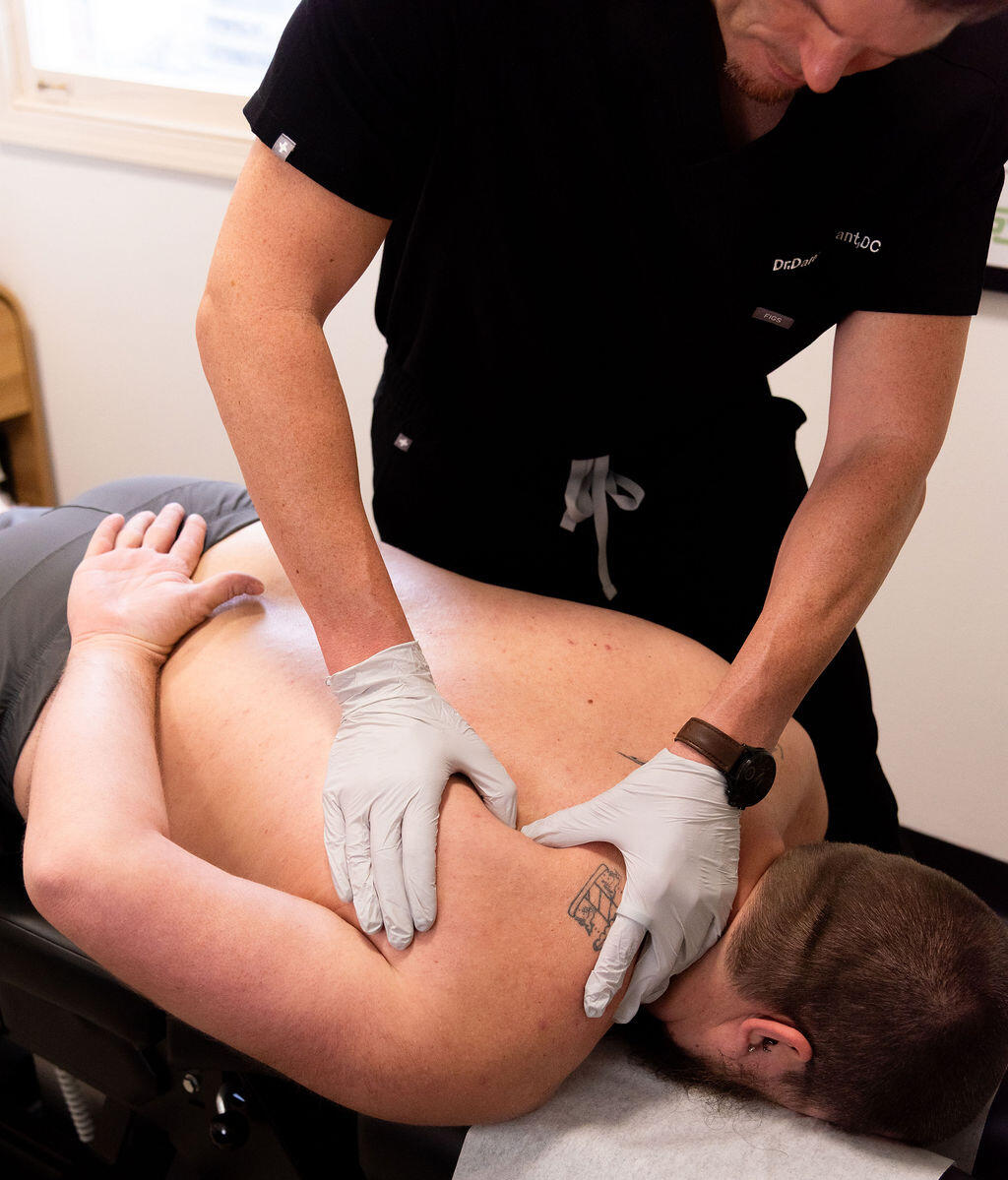
Manual therapy, the skilled, hands-on application of techniques such as joint mobilization, manipulation, and soft-tissue work has long been a core part of care for neck pain, low back pain, and other musculoskeletal conditions. Used by chiropractors, physical therapists, osteopaths, and others, it is recommended in many clinical practice guidelines. Below you will find updated research.
Exercise
Exercise is one of the most consistently recommended and effective interventions for musculoskeletal pain, particularly chronic low back pain and neck pain. Multiple high-level reviews confirm that structured exercise programs produce meaningful improvements in pain and function.In practice, exercise forms the foundation of lasting recovery, especially when paired with education and, when helpful, hands-on care to facilitate better movement. The research is clear: regular, appropriately dosed movement is among the most powerful tools available for musculoskeletal health.

Sleep & Recovery
Sleep is not passive downtime. It is an active biological process that drives physical recovery, tissue repair, hormone regulation, and nervous system restoration.For anyone focused on movement, pain management, or long-term health, sleep quality and quantity are foundational.During deep (slow-wave) sleep, the body releases growth hormone, supports muscle protein synthesis, and facilitates tissue repair.Research in athletic and clinical populations shows that adequate sleep helps regulate inflammation, supports immune function, and improves the hormonal environment needed for recovery after training or physical stress.Sleep restriction, by contrast, can elevate cortisol, reduce anabolic hormones, increase perceived effort, and slow recovery from muscle damage or training load beyond the musculoskeletal system, consistent sleep (generally 7–9 hours for most adults) supports cognitive function, emotional regulation, metabolic health, and longevity.Both short and excessively long sleep durations are linked to higher risks of cardiovascular disease, metabolic issues, and other adverse outcomes.
Supplements
Supplements can play a useful supporting role in health, but they are not a shortcut to longevity. The strongest evidence for long-term health still comes from consistent habits: a high-quality diet, regular movement, good sleep, and managing other lifestyle factors. Supplements are best viewed as tools to fill specific gaps rather than as primary drivers of healthspan.Where supplements have clearer value is in correcting documented deficiencies or meeting higher needs.Vitamin D supplementation can support bone health and reduce fracture risk in people with low levels. Omega-3s may benefit certain cardiovascular outcomes in higher-risk individuals. Creatine has solid evidence for supporting muscle strength and lean mass when combined with resistance training, particularly in older adults. Targeted use of B12, iron, or other nutrients can help when bloodwork or clinical context shows a shortfall.In these cases, correcting a deficiency supports normal physiology rather than providing an anti-aging boost beyond that.

Diet and Longevity
Diet is one of the most powerful levers we have for long-term health and lifespan. Large, long-running studies consistently show that the quality of what we eat influences not just how long we live, but how well we age.

Diet works best as part of a broader lifestyle. Its benefits are amplified when combined with regular movement, adequate sleep, and stress management.In practical terms, small, sustainable shifts, adding more vegetables and whole grains, choosing olive oil and nuts, and reducing ultra-processed foods, appear more important for longevity than chasing any one “perfect” diet.The research is clear: what you eat regularly is one of the most reliable ways to support both lifespan and healthspan.
© 2026 Granted Motion. All rights reserved.